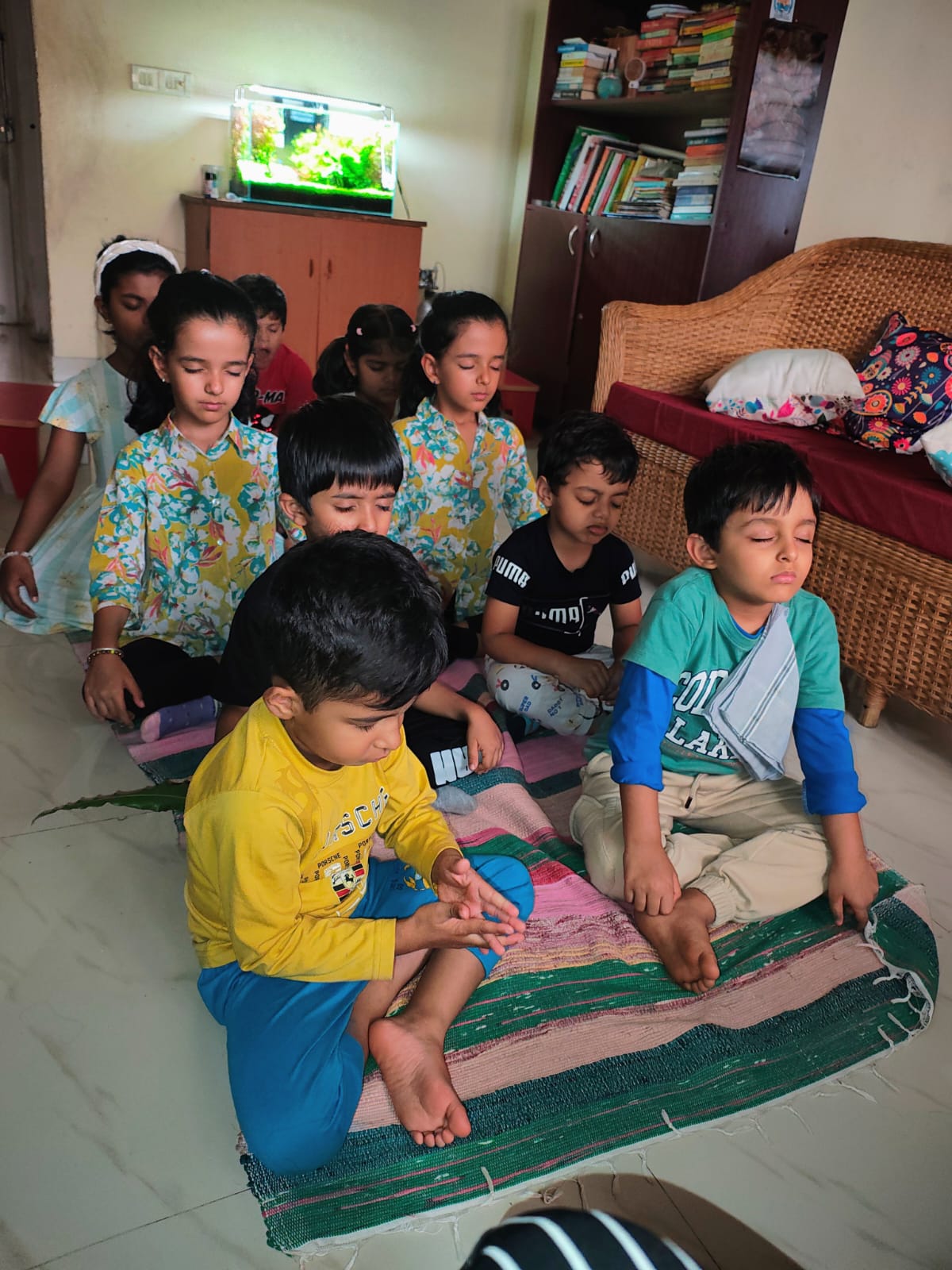
The Architecture of Fun: The Philosophy and Principles of Montessori
Maria Montessori discovered that children are not “blank slates” to be written upon, but rather individuals with an incredible internal drive to develop.
1. Respect for the Child: Work vs. Play
A child’s play is their work. When a 6-year-old is deep into a weaving project, we treat that loom with the same respect an artisan would. We provide real, high-quality materials — real sewing needles, glass measuring cups — because we respect their capability.
2. The Absorbent Mind
From birth to age 6, children soak up their environment effortlessly. Because we know children are absorbing everything, we fill our space with beautiful textures, rich language, diverse stories, and the calming sounds of nature.
3. Sensitive Periods: Catching the Wave of Interest
These are biological “windows of opportunity” where the brain is primed to acquire a specific skill with almost zero effort. If a child is in a sensitive period for “order and precision,” they will find deep satisfaction in the exact measurements of baking. At Funtime, we don’t force a child to move on — we provide the tools, time, and space.
← Back to Blog